
What Is a Healthy Snack That Will Keep Me Full?
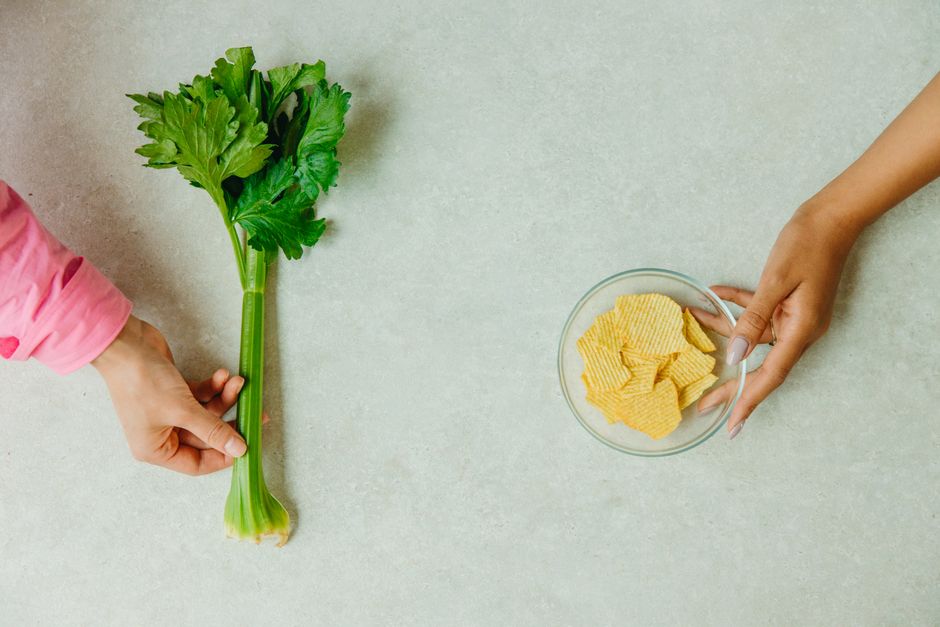
A filling snack pairs a protein-rich food with fiber from fruit, vegetables, or whole grains, and can include unsaturated fats from nuts or seeds. Try apple with peanut butter, vegetables with hummus, or unsalted nuts with fruit. Check packaged serving sizes and added sugars; a snack’s label describes a portion, not a rule for how much you need.
What is a healthy snack that will keep me full?
A healthy snack that supports fullness combines foods rather than relying on a single sweet or salty item. Harvard T.H. Chan School of Public Health’s Nutrition Source says snacks made from whole foods containing protein, fiber, and whole grains can enhance satisfaction. Nuts, yogurt, and popcorn are among its examples; it also suggests pairing foods to match hunger and preference.
Think in parts: choose a protein-containing food, then add produce or a whole grain for fiber. Nuts or seeds with fruit, hummus with vegetables, and peanut butter with apple or whole-grain crackers all follow that pattern. The combination matters more than finding one perfect snack.
Harvard gives 150–250 calories as a general snack-size rule of thumb, not a personal prescription. Hunger, the timing of meals, and what else you have eaten affect what feels appropriate. Use the range as context, and let the actual portion and your needs guide the choice.
Fat can make a snack more satisfying, but the source matters to the combination. Nuts and seeds pair fats with protein; fruit or vegetables add fiber and freshness. A snack assembled from these foods can be simple without being nutritionally one-dimensional.
What can I snack on at work that does not need refrigeration?
At work, choose shelf-stable options such as unsalted nuts, sunflower seeds, dried fruit, peanut butter with whole-grain crackers, or canned seafood. USDA MyPlate recommends unsalted nuts and sunflower seeds for portable snacks and notes they can be paired with dried fruit. It also identifies canned seafood as a shelf-stable option.
Pack combinations that need little preparation. A small container of nuts and dried fruit offers a mix of protein, fats, and fruit; peanut butter with crackers adds a protein-containing spread to a grain. Where fresh fruit is available and practical to carry, it can round out nuts or seeds.
Packaged snacks call for a label check. The FDA explains that nutrition information is generally given per serving and that a package can contain more than one serving. The serving size reflects amounts people typically consume; it is not a recommendation. If you eat two servings, you consume twice the listed nutrients.
For added sugars, the FDA’s Nutrition Facts guidance marks 5% Daily Value or less as low and 20% or more as high. It sets the Daily Value at 50 grams based on a 2,000-calorie diet and summarizes guidance to keep added sugars below 10% of daily calories. Added sugars include sugars, syrups, and honey added during processing; sugars naturally present in fruit and milk are not counted as added sugars.
Read the portion you will actually eat, not only the front of the package. Harvard notes that a small package can contain two or three servings. Compare that serving count with your planned portion, then check added sugars, sodium, and saturated fat as you choose among options.
Are protein bars a healthy everyday snack?
A protein bar’s name does not tell you whether it makes a balanced everyday snack; the ingredient list, nutrition label, portion, and your preferences do. Compare added sugars and serving size, then ask what the bar contributes alongside protein. A bar with substantial added sugar may not fit someone looking for a less-sweet snack, while another packaged choice may suit their needs.
Research on a specific snack cannot establish that all bars keep people full. A randomized crossover study published in 2015 in PubMed examined yogurt snacks among 20 healthy men. The study found appetite ratings did not differ among the tested yogurt formulations, and fiber enrichment did not affect appetite or later intake in that small, short-term study.
The study did report lower lunch energy intake after the high-whey yogurt than after the control yogurt, but that result applies to the tested yogurt and study conditions. It does not prove that any protein bar produces the same effect. The researchers’ findings are a reason to read claims narrowly: protein content alone does not guarantee fullness.
For a bar you eat regularly, compare the listed serving with the amount you consume and check added sugars. The FDA notes that the Nutrition Facts serving size is not a recommended amount to eat. If you prefer a whole-food option, pair nuts or seeds with fruit, or choose peanut butter with apple or whole-grain crackers.
Frequently Asked Questions
How can I make a snack more filling without a lot of added sugar?
Pair a protein source with fiber-rich fruit, vegetables, or whole grains, such as peanut butter with an apple or hummus with vegetables. Check the Nutrition Facts label: the FDA defines 5% Daily Value or less as low in added sugars, while 20% or more is high.
What are good healthy snacks if I don't eat dairy?
Dairy-free options include unsalted nuts or sunflower seeds with fruit, peanut butter with an apple or whole-grain crackers, and hummus with vegetables. USDA MyPlate also lists canned seafood as a shelf-stable protein option.
Sources
- Harvard T.H. Chan School of Public Health, The Nutrition Source: Snacking
- U.S. Food and Drug Administration: Added Sugars on the Nutrition Facts Label
- U.S. Food and Drug Administration: Serving Size on the Nutrition Facts Label
- U.S. Department of Agriculture, MyPlate: Consume a Variety of Protein Foods
- PubMed, National Library of Medicine: Yogurt snack study
Disclaimer: This article is for general information only and is not medical advice. It is not a substitute for diagnosis or treatment by a qualified healthcare professional. Always speak to your doctor before acting on anything you read here.
Read next

Does My Leaking Roof Need Repair or Full Replacement?
Use roof age, leak location, repeat damage, and itemized estimates to decide between a targeted roof repair and full replacement.
What Should I Eat to Relieve Constipation?
A food-first guide to constipation relief, with evidence on kiwi, prunes, gradual fiber changes, bloating, and medical red flags.

What Should Men Eat to Support Sperm Health and Fertility?
A practical, evidence-based guide to food, supplements, lifestyle factors, and fertility evaluation for men trying to support sperm health.

Do Men Over 60 Need a Multivitamin or Specific Supplements?
Learn when B12 or vitamin D supplements may be useful for men over 60, how medicines can affect the decision, and why megadoses can carry risks.