
Northern Lights Cruises for Seniors: Choose with Confidence
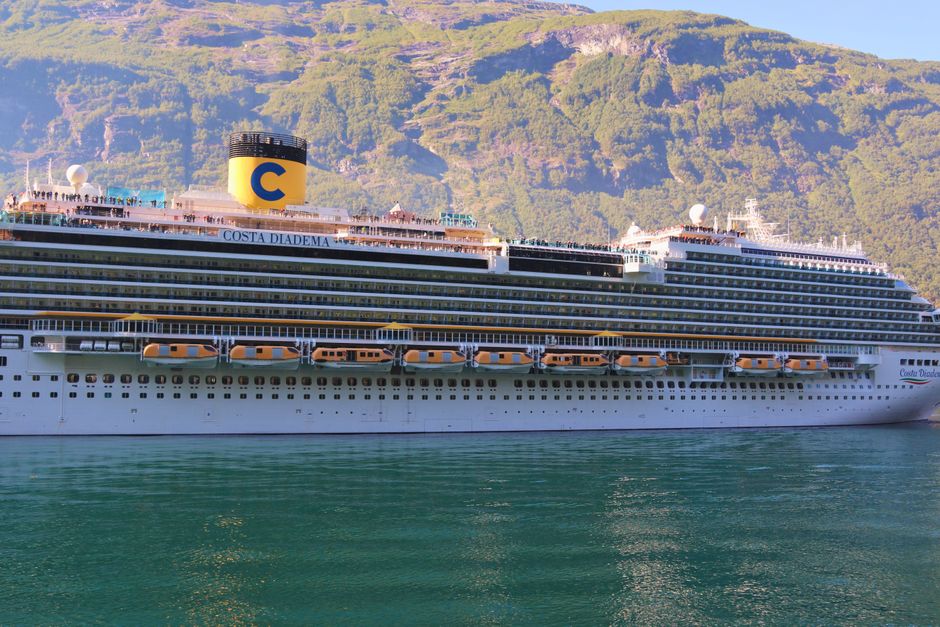
Northern lights cruises for seniors are best chosen by balancing accessible ship facilities and manageable excursions with enough time in dark, clear skies. Hurtigruten’s 12-day Coastal Express offers at least six nights in the auroral zone, cabin alerts, and viewing from decks or windows, but accessibility and excursion support vary by ship and activity. Confirm mobility details directly, and treat any aurora sighting as uncertain.
What is the best Northern Lights cruise for seniors?
The best cruise is the one whose ship, cabin, and shore plans match your mobility needs while giving you several nights when darkness makes aurora viewing possible. A longer route can add opportunities, but it cannot remove the effects of cloud cover or guarantee a sighting.
Hurtigruten’s Coastal Express round trip between Bergen and Kirkenes lasts 12 days, covers 2,500 nautical miles, and calls at 34 ports. The company says 22 ports are within the Arctic Circle and the full round trip spends at least six nights in the auroral zone. Its crew can alert passengers when lights appear, and guests can request cabin alerts; viewing is possible from observation decks or large windows.
Accessibility is a separate decision from route length. Hurtigruten says most public areas on its ships are step-free and reached by a central lift, and each ship has at least two wheelchair-accessible public toilets. Accessible cabins are limited, with wider doorways and automatic doors, so ask about the specific vessel and reserve early. Outdoor decks may have raised thresholds or uneven surfaces, and wheelchair users are asked to travel with a companion.
Use this comparison as a starting point, then confirm details for your departure. “Not published” means the cited information does not provide that detail.
| Option | Who it suits | Cost | Key limitation |
|---|---|---|---|
| Hurtigruten Coastal Express round trip | Travelers seeking a 12-day coastal voyage and at least six nights in the auroral zone | Not published | Ship varies by departure; verify the assigned ship, cabin, and excursion fit |
| Hurtigruten Northern Lights Promise | Travelers booking a voyage of 11 days or more who value the company’s stated offer | Not published | If aurora does not occur within sight of the ship, the offer is another 6-day voyage—not a sighting guarantee on the original trip |
For excursions, Hurtigruten uses four activity levels: Level 1 is physically undemanding, Level 2 requires some mobility, and Levels 3 and 4 require good mobility. Level 4 may involve hiking or biking on uneven terrain. Even some Level 1 tours may require walking short distances and boarding a bus independently; the company says guides and drivers cannot lift passengers onto buses, and it does not offer excursions specifically designed for wheelchair users. Discuss options with the onboard Expedition Team, and ask whether weather or low participation could cancel an outing.
What is the best cruise line to see the Northern Lights?
Among the options documented here, Hurtigruten is a practical candidate for travelers who prioritize a coastal Norway itinerary, onboard aurora alerts, and multiple nights in the auroral zone. That makes it a source-supported comparison, not a claim that it is universally the best cruise line.
The important distinction is between the company’s offer and the natural event. For eligible voyages of 11 days or more, Hurtigruten’s Northern Lights Promise offers another 6-day voyage if aurora does not occur within sight of the ship. It does not promise that the original trip will include a sighting. Review the terms with the operator before treating this offer as part of your trip’s value.
Also compare the actual ship assigned to your departure. Hurtigruten says the vessel varies by date. Ask about accessible cabin inventory, lift routes, windows or sheltered viewing areas, and the hours and method used for cabin alerts. If you are considering a different line, the sources here do not provide comparable accessibility or aurora-alert specifications, so request those details directly rather than assuming they are standard.
Which cruise ship is best for seeing the Northern Lights?
The best ship is the specific vessel that meets your access needs and puts you in a good position to view the sky; the available facts do not identify one ship as best for every traveler. Hurtigruten’s Coastal Express ship varies by departure date, so confirm the vessel before choosing a cabin or excursion.
Ask whether you can reach an observation deck by lift, whether the route to it has raised thresholds or uneven surfaces, and whether large windows offer an indoor alternative. Hurtigruten reports that most public areas are step-free, but its warning about outdoor deck surfaces matters in winter conditions. A ship with an indoor viewing option may make it easier to respond when an alert arrives without committing to an exposed deck.
Make the inquiry specific: “For this departure, which ship is assigned, is an accessible cabin available, and what is the step-free route from that cabin to an indoor viewing area?” If using a mobility scooter, provide its dimensions, weight, and type. Hurtigruten says scooters must be stored in an accessible cabin and requests those specifications when booking.
What time of year is best for a Northern Lights cruise?
The best period is when high-latitude nights are dark enough and skies are clear; for Northern Norway, the cited cruise guidance points to October through March. Visit Tromsø says aurora may be visible in its region from late August to early April when skies are dark and sufficiently clear, while the University of Tromsø notes the midnight sun prevents viewing in the auroral zone from around mid-April until early September.
Timing within a night is not exact. NOAA’s Space Weather Prediction Center says viewing is usually best between 10 p.m. and 2 a.m. local time, while Visit Tromsø says activity is often strongest approximately from 8 p.m. to 2 a.m. Both emphasize that aurora may appear at other times. Practically, plan for late viewing and ask how cabin alerts work so you can decide whether to stay up or rest between alerts.
Weather and solar activity set the limits. NOAA identifies geomagnetic activity, location, darkness, and timing as key factors; its Kp index runs from 0 to 9, with higher values generally moving auroral activity farther from the poles, though the relationship is approximate. The University of Tromsø explains that clouds can block the view because auroras occur above cloud layers. Longer itineraries create more chances to encounter favorable conditions, not certainty: the sources describe aurora activity as possible across solar-cycle conditions, but visibility still depends on the sky.
Check excursion conditions before you pay
Winter excursion descriptions may not answer the questions that matter most for comfort. Cruise Critic forum reports from older travelers mention ice, snow, uneven tracks hidden under snow, and low light. One participant said they cancelled a Tromsø outing after learning it could mean more than four hours outdoors without shelter, toilets, warm drinks, or a fire; another described an Alta outing with facilities. These are individual reports, not operator specifications, so use them as prompts for direct questions.
Ask: “How long will we be outside? Is there seating, shelter, a toilet, and a warm rest stop? What are the walking surfaces, and can I return early?” Also confirm whether the group must stand for long periods, whether bus boarding requires independent mobility, and what help staff can provide. An activity label alone does not answer those practical questions.
Plan the U.S. departure as part of the trip
For a traveler departing from the United States, compare the full journey to the Norwegian embarkation port, not just the cruise fare. The sources provided do not publish U.S. flight connections, transfer durations, or fares. Check those for your own dates, then compare arrival times and the transfer to the port; consider arriving before sailing so a delayed connection does not put embarkation at risk. Confirm the ship’s departure port and port schedule for the exact itinerary.
Before booking, put the key facts in one checklist: assigned ship and accessible cabin; step-free boarding and lift route; outdoor thresholds; excursion activity level and walking surface; seating, shelter, toilets, and rest breaks; independent bus boarding requirements; and the limits on personal assistance. A clear answer to each item is more useful than a general accessibility label.
Frequently Asked Questions
Are Northern Lights cruises suitable for people with limited mobility?
They can be, but suitability depends on the specific ship, cabin, boarding arrangements, and excursions. Hurtigruten reports step-free access to most public areas via a central lift, but says outdoor decks may have raised thresholds or uneven surfaces and it cannot provide lifting, personal care, or one-to-one assistance.
Which aurora excursions have seating, shelter, and toilet facilities?
The available research does not establish which specific excursions consistently provide all three. Cruise Critic forum participants described different facilities on outings in Tromsø and Alta, so ask the operator about duration, shelter, toilets, warm drinks, rest stops, walking surfaces, and assistance before booking.
Can seniors see the Northern Lights from the ship without going on an excursion?
Yes, Hurtigruten says passengers may view from observation decks or large windows, and crew can send alerts, including to cabins on request. Sightings remain dependent on darkness, aurora activity, and clear skies.
How can I check whether a cruise ship and cabin are accessible before booking?
Ask which ship is assigned to your departure and confirm the accessible cabin’s availability and features directly with the operator. Also check lift access, boarding, deck thresholds, toilet locations, scooter storage and specifications, and whether assistance is available for transfers and excursions.
Sources
- NOAA / NWS Space Weather Prediction Center
- Norwegian Centre for Space Weather, UiT The Arctic University of Norway
- Hurtigruten Accessibility
- Hurtigruten Excursions
- Hurtigruten: Northern Lights Cruise
- Hurtigruten Coastal Express
- Cruise Critic: Older Traveler Discussion
- Visit Tromsø: When and Where to See the Northern Lights
Read next

How Do I Choose a Chaplaincy Program?
Choose a chaplaincy program by matching its training, clinical work, and credential outcomes to the setting and role you want.
Can I Reprice a Cruise Fare After Booking?
Learn when cruise fares can be repriced, when a lower price earns credit or a refund, and what to check before cancelling and rebooking.

How Can I Choose Calcium and Vitamin D for Bone Health?
Learn how food, supplements, and vitamin D fit together for bone health—and why calcium pills can cause stomach side effects.

Is a Same-Day Victoria and Butchart Gardens Tour from Vancouver Worth It?
A practical guide to ferry, coach, and seaplane options for seeing Victoria and Butchart Gardens from Vancouver in one day.