
How Do I Identify and Treat Mites in My Home Safely?
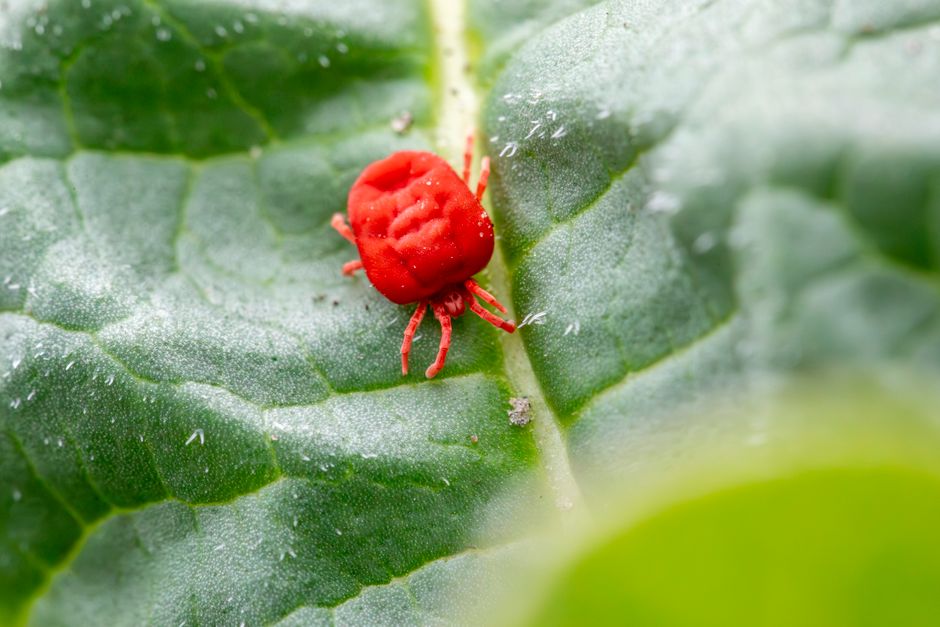
If you suspect mites, do not spray first. Look for the source: bird mites are visible, short-term visitors linked to nests; dust mites are invisible allergens that do not bite; and bed bugs require physical signs near where people sleep. Remove the source, collect evidence, clean targeted areas, and use pesticides only after a specific pest has been identified.
How do I know whether I have bird mites, dust mites, or bed bugs?
You identify the problem by matching physical evidence and location, not by treating bite marks as a diagnosis. The fastest useful question is: What can you actually find, and where? Bite marks can take one to several days to appear and may be random or in a line, so the Centers for Disease Control and Prevention says bites alone do not confirm bed bugs.
| What you notice | Most likely explanation | What to check next |
|---|---|---|
| Small brown or gray, eight-legged mites near a bird nest, window, vent, or attic opening | Bird mites | Inspect exterior walls and building openings for an active or recently empty nest. |
| No visible bug, but allergy or asthma concerns around bedding, carpet, or upholstery | Dust mites | Focus on allergen control: bedding, mattress and pillow covers, carpets, and indoor moisture. |
| Flat reddish-brown insects, shed skins, rusty spots, or a sweet musty odor near a bed | Bed bugs | Inspect mattress seams, box springs, bed frames, headboards, cracks, and nearby furniture. |
| Bites mainly on lower legs; a brown, jumping pest; pet or wildlife connection | Fleas | Check pets and investigate possible wildlife in attics or chimneys. |
University of Minnesota Extension describes bird mites as about 1/32 inch long, with eight legs, and generally brownish or grayish. They are associated with nests on or in buildings. Penn State Extension adds a practical identification move: bird and rodent mites can be seen without magnification on a light-colored surface. Put a piece of light paper near the suspected entry point and preserve a visible specimen rather than guessing from skin symptoms.
Dust mites are a different category. According to the U.S. Environmental Protection Agency, they are too small to see, feed on skin flakes, and live in places such as mattresses, pillows, carpets, upholstered furniture, bedding, clothing, and stuffed toys. Their body parts and droppings can trigger asthma in allergic people. That makes them an indoor allergen problem, not an explanation for visible crawling pests or confirmed bites.
Bed bugs are insects, not mites. The CDC describes adults as flat, wingless, reddish-brown insects measuring 1 to 7 mm. Run an evidence check around the sleeping area: live bugs in folds, shed skins, rusty-colored blood spots, and a sweet musty odor carry more weight than a skin reaction alone.
The proof-before-product rule: do not apply insecticides, repellents, or pet treatments because something feels like a bite. Penn State Extension specifically warns against treating household items, pets, or people without physical evidence of a particular arthropod. That pause prevents a bad trade: more chemical exposure, no clear diagnosis, and the real source still in place.
Can bird mites live in a house after a nest is removed?
Bird mites can remain briefly after a nest is removed, but they cannot establish an ongoing household infestation because they cannot reproduce on human blood. University of Minnesota Extension states that northern fowl mites can live without a host for 2 to 3 weeks; without a bird-blood meal, they die. The job is therefore source removal plus targeted physical cleanup, not endless treatment.
Start at the building edge. Check eaves, vents, window ledges, attic openings, wall voids, chimneys, and other places birds may nest. Remove an empty nest only when it is lawful and safe. If the nest is active, inaccessible, or potentially hazardous, stop there and arrange appropriate help. If outdoor nesting is part of a recurring property issue, this practical guide to planning a small backyard can help frame the wider space, but pest work still starts with the specific nest or entry point.
- Remove the source. Address the nest only when lawful and safe, then identify the opening that allowed bird activity against or into the building.
- Remove the travelers. Vacuum visible mites or wipe them up with a moist cloth, as University of Minnesota Extension recommends.
- Handle the vacuum contents. Vacuuming removes mites but does not kill them. Freeze or discard the vacuum bag after use.
- Close the route. Seal appropriate pest entry and hiding points after the source is resolved, rather than leaving the same pathway open for another nest.
- Watch the evidence. If crawling pests continue without a nest connection, preserve a sample and reassess for bed bugs, fleas, or another cause.
This sequence matters because it solves the cause before it expands the cleanup. A room can be vacuumed repeatedly, but that work has limited value if mites are still moving in from a nest beside a vent or behind siding.
What kills mites in a home without harming pets?
The lowest-risk approach is physical removal and source control; do not assume a pesticide is necessary or safe for pets simply because it is sold for home use. For suspected bird mites, vacuuming or wiping with a moist cloth removes mites, while nest removal and exclusion cut off the source. Keep pets away from the work area while cleaning and while any pesticide is being applied.
Use separate tactics for separate problems. For dust-mite allergen control, EPA recommends washing bedding in hot water weekly, drying it completely, using dust-proof mattress and pillow covers, and vacuuming carpets and fabric-covered furniture weekly. A HEPA-filter vacuum is recommended for those surfaces. People with asthma or allergies should leave the area being vacuumed, and indoor humidity should be kept between 30% and 50% relative humidity.
For confirmed bed bugs, washing is not the finish line. The EPA bed-bug guidance says to put bedding and clothing in a dryer at high temperatures for 30 minutes; washing alone generally does not kill bed bugs. EPA also describes bed-bug control as integrated pest management: inspection, monitoring, nonchemical measures, and careful pesticide use when needed.
Weak move: “Spray the whole room just in case.” Strong move: “Identify the pest, remove its food, water, shelter, or host source, then target only the confirmed location.” The EPA advises repairing leaks, reducing clutter, and sealing entry and hiding points as prevention steps. It also says pesticides not contained in baits or traps should generally be applied to targeted locations, not across an entire room.
If an indoor pesticide is justified, use only a product approved for home use and follow its label for the exact location and use. The EPA's pesticide safety guidance says to keep children and pets away from treated areas, avoid excess product, and use fogging devices only when absolutely necessary. Do not apply outdoor-use chemicals indoors; do not apply a product to pets or people unless its label specifically permits that use.
Your next drill: inspect one likely source area, make a short evidence list, and choose one cleaning action that matches the evidence. If the list contains no specimen, nest, bed-bug sign, or flea clue, do not escalate to spraying. Get identification first.
Frequently Asked Questions
Why do I feel bites but cannot see any bugs?
A bite-like sensation alone does not identify a household pest. Dust mites are too small to see but are allergen concerns rather than biting pests, while bird mites may be visible on a light-colored surface and bed bugs leave physical evidence near sleeping areas. Check for a nest, live insects, shed skins, blood spots, or a sample before treating.
Will vacuuming and washing bedding get rid of mites?
Vacuuming or wiping can physically remove bird mites, but vacuuming does not kill them, so the vacuum bag should be frozen or discarded. Weekly hot-water washing and complete drying of bedding are recommended for dust-mite allergen control. For bed bugs, EPA says high-heat drying for 30 minutes kills bed bugs, while washing alone generally does not.
When should I contact a pest-control professional for suspected mites?
Contact an experienced pest-control professional when you have bed-bug evidence, cannot safely or lawfully remove a bird nest, or have a sample that needs identification before treatment. Penn State Extension advises against professional pesticide treatment without a sample that can be identified. A professional can inspect the source and use an approved, targeted plan rather than repeated whole-room spraying.
Sources
- University of Minnesota Extension: Bird Mites
- U.S. Environmental Protection Agency: Asthma Triggers and Control
- Centers for Disease Control and Prevention: About Bed Bugs
- Penn State Extension: Is Something Biting Me?
- U.S. Environmental Protection Agency: Pest Control Dos and Don'ts
- U.S. Environmental Protection Agency: Controlling Bed Bugs Using Integrated Pest Management