
How Should Older Adults Choose Shoes That Support Balance?
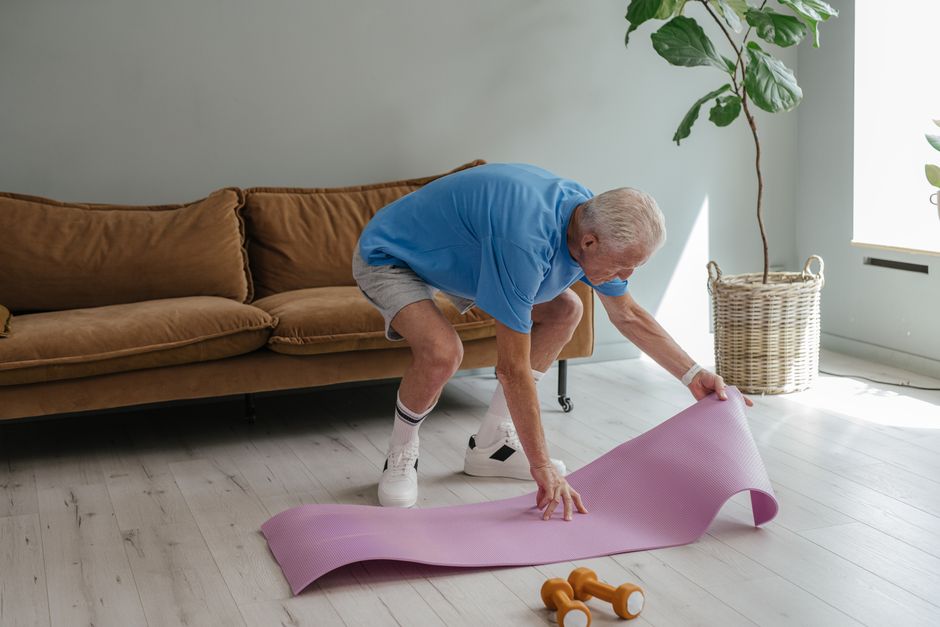
Choose shoes with a secure fit, low heel, stable sole, and reliable traction, then treat footwear as one part of a wider falls assessment rather than a cure. The CDC supports supportive shoes indoors and outdoors, while trials and reviews do not show that a single "balance shoe" prevents falls. Foot comfort, sensation, swelling, gait, medicines, vision, and home hazards all shape the safer choice.
Do balance shoes actually help prevent falls in seniors?
No single shoe, including one sold as a balance shoe, has proof that it prevents falls on its own.
The 2017 REFORM trial studied 1,010 older adults in a program that combined foot and ankle exercises, orthoses, and new footwear when needed. Its main result, fall incidence over 12 months, was not statistically lower than usual podiatry care: the adjusted incidence-rate ratio was 0.88. The program was not one shoe. It was a bundle.
That distinction matters. In the same 2017 trial, 49.7% of people in the intervention group reported at least one fall, compared with 54.9% in the control group. Fewer people in the intervention group also had two or more falls: 27.6% compared with 34.6%. Those findings support attention to feet and footwear inside a broader plan. They do not crown a shoe as fall-proof.
The 2017 Joanna Briggs Institute review reaches the same boundary from another direction. It reviewed studies of foot and ankle devices for people with sensory loss, including neuropathy. No included study reported falls as an outcome. Improved sway or stepping measures are not the same thing as fewer falls.
Footwear is a gate, not a guardrail. It can remove one obvious problem. It cannot settle every other one.
The CDC's 2017 STEADI Pocket Guide reports that 1 in 4 adults age 65 and older falls each year. For people at risk, it calls for review of gait, strength, balance, medicines, home hazards, blood pressure changes on standing, vision, feet, and footwear. That is the useful frame for any shopping decision.
What shoe features are safest for an older person with balance problems?
The safest starting point is a shoe that fits the foot securely, has low heels, supports the heel and arch, and has a sturdy sole with good grip.
The CDC's 2017 STEADI Coordinated Care Plan describes supportive shoes as having traction, cushioning, and low heels. It also identifies weak arch support, poor heel support, and soles without good grip as footwear concerns.
Fit comes before labels. A sole can grip the floor and still fail the wearer if the heel slides, the toe box crowds the foot, or the shoe changes the way the person walks. The 2018 Diabetic Foot Australia guideline says fit needs to account for length, width, depth, and girth. It recommends checking fit while standing, preferably at the end of the day, when edema can show itself.
| Feature to check | What the evidence supports | What to watch for |
|---|---|---|
| Heel | Low heel | An elevated heel shifts balance demands |
| Outsole | Sturdy sole with good grip | Worn or poor-grip soles |
| Fit | Length, width, depth, and girth assessed while standing | Heel slip, crowding, or fit that changes with swelling |
| Foot support | Arch and heel support | Footwear lacking stable support |
| Use | Supportive footwear indoors and outdoors | Bare feet or socks alone |
A 2008 study in Gerontology tested footwear features in 29 community-dwelling older adults whose mean age was 79.1 years. A 4.5-centimeter elevated heel significantly increased postural sway and was the most harmful feature on the study's combined balance-performance index. Low heel is not fashion advice. It is a direct response to measured balance performance.
Orthotics change the fitting question. The REFORM trial included orthoses as part of a multifaceted program, and CDC guidance calls for education on insoles and podiatry referral when indicated. A shoe needs enough depth and a secure fit around the device. An insert that crowds the foot defeats the point.
Are thick cushioned soles bad for balance?
Thick cushioning is not shown to increase fall risk for people who need it for neuropathic foot protection.
The 2017 Joanna Briggs Institute review found no effect on postural sway from changing an insole top cover's softness or texture. For people at risk of neuropathic foot ulcers, the review states that thick cushioned insole covers should still be used for foot protection without evidence of increased fall risk.
That finding does not turn every thick, soft shoe into a balance aid. The review found no falls outcome in any included study, so it cannot prove fall prevention. Cushioning and stability are separate questions. A shoe can protect a vulnerable foot while the fit, heel height, sole grip, and the person's gait still need attention.
Neuropathy adds another task. The 2018 Diabetic Foot Australia guideline recommends checking the inside of footwear before every use for a foreign object, then checking the feet after shoes come off for abnormal pressure, trauma, or ulceration. Loss of feeling changes what the wearer can detect. It does not remove the need for protection.
Should seniors wear shoes inside the house instead of slippers?
CDC guidance supports wearing supportive shoes inside the house rather than going barefoot, wearing socks alone, or relying on footwear without stable support and grip.
The CDC's 2017 coordinated care plan says patients should be encouraged to wear supportive shoes inside and outside the house. It states that barefoot walking or socks alone increase the chance of falling. This does not mean every slipper is unsafe by name. It means the same checks apply indoors: heel support, arch support, a sturdy sole, good grip, fit, and low heel.
Indoor footwear is often where routine wins. The pair by the bed, the loose slide by the door, the sock on a smooth floor. Those habits deserve the same scrutiny as an outdoor shoe.
The CDC also places footwear among home hazards, vision, medicines, gait, strength, and blood-pressure assessment. Space matters too. The same practical attention to daily routes appears in How Do I Plan a Small Backyard That Fits Everything?: a route works when the person using it has room to move through it safely.
CDC STEADI treats an answer of yes to feeling unsteady while standing or walking, worrying about falling, or having fallen in the prior year as a fall-risk signal. Its 2017 guidance recommends annual screening and screening after an acute fall. The coordinated care plan also marks a Timed Up and Go result of 12 seconds or longer, or inability to hold a tandem stance for 10 seconds, as increased risk.
The 2022 World Guidelines for Falls Prevention and Management for Older Adults makes the larger point: people at high risk need a comprehensive, personalized assessment rather than a single intervention. A good shoe belongs in that work. It does not replace it.
Frequently Asked Questions
What are the best shoes for seniors with neuropathy?
The evidence supports shoes that fit, protect, and accommodate the foot's shape, with fit checked for length, width, depth, and girth. The Diabetic Foot Australia guideline advises checking inside footwear before each use for foreign objects and checking feet after removal for pressure, trauma, or ulceration. Reduced sensation or foot deformity are reasons for podiatry assessment under CDC guidance.
How should shoes fit if an older adult has swollen feet?
Fit needs assessment while standing, preferably at the end of the day, when developing edema is accounted for. The Diabetic Foot Australia guideline says length, width, depth, and girth all matter. A shoe that fits only early in the day is not a settled fit.
When should balance problems be assessed by a clinician?
CDC STEADI identifies risk when an older adult feels unsteady while standing or walking, worries about falling, or has fallen in the prior year. Screening is recommended annually and after an acute fall. A Timed Up and Go result of 12 seconds or longer, or inability to hold a tandem stance for 10 seconds, signals increased risk in the CDC coordinated care plan.
Sources
- CDC STEADI Pocket Guide
- CDC STEADI Coordinated Care Plan to Prevent Older Adult Falls
- Gerontology: Effects of Footwear Features on Balance and Stepping in Older People
- REFORM Trial
- Joanna Briggs Institute Systematic Review
- Diabetic Foot Australia Guideline on Footwear for People With Diabetes
- World Guidelines for Falls Prevention and Management for Older Adults
Disclaimer: This article is for general information only and is not medical advice. It is not a substitute for diagnosis or treatment by a qualified healthcare professional. Always speak to your doctor before acting on anything you read here.