
How Many Bottles of Water Do I Need for 50 Guests?
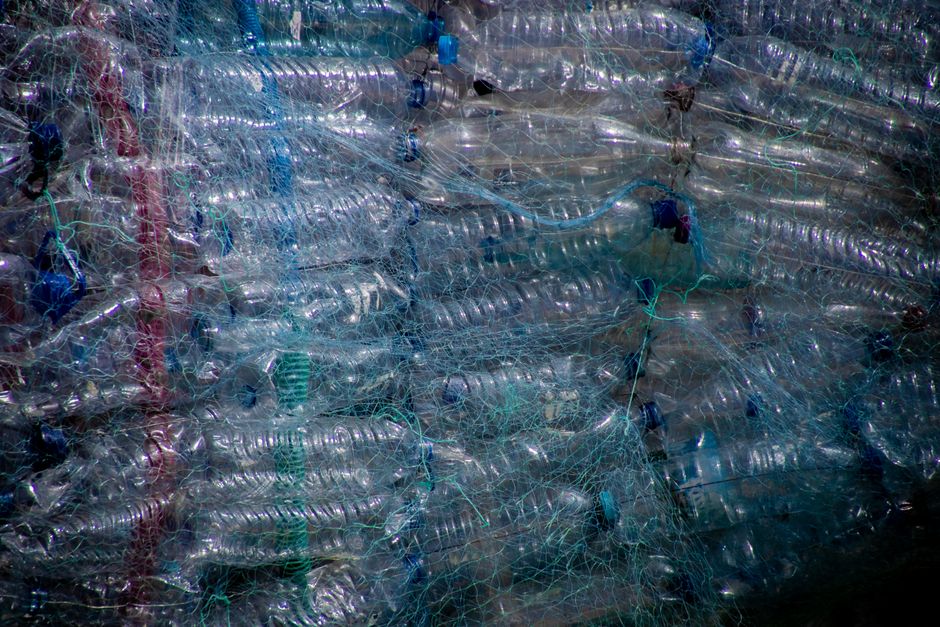
For 50 guests, start with 75 to 100 individual water servings, or about 4 to 5 cases of 24 16.9-ounce bottles, for a typical indoor event with other drinks available. Move toward the high end for a longer event, alcohol service, children, or warm outdoor conditions. For active guests in heat, water needs can rise sharply, so build a separate chilled-water plan rather than hoping soda or coffee will cover it.
How many bottles of water do I need for 50 guests?
Plan 75 to 100 water servings for 50 guests as your baseline. That range comes from Nicolet College's catering guidance, which recommends 1.5 to 2 water servings per person. It is a planning floor, not a promise that every guest will drink exactly the same amount.
For standard 16.9-ounce bottles, the shopping math is simple. Four 24-packs equal 96 bottles, which sits inside the baseline range. Five 24-packs equal 120 bottles, giving you room for uncertain attendance, a longer stay, or guests who reach for water more than once.
| Order target | 16.9-ounce bottles | 24-packs | Approximate water volume |
|---|---|---|---|
| Lower baseline | 75 | 3.125 cases | 6.2 gallons |
| Practical indoor order | 96 | 4 cases | 8 gallons |
| Higher baseline with cushion | 120 | 5 cases | 10 gallons |
Use the table as an order tool, not a rulebook. A 16.9-ounce bottle is 16.9 ounces; divide the bottle total by 128 to convert it to gallons. If you are serving dispensers instead, 96 bottles equal about 12.7 gallons and 120 bottles equal about 15.8 gallons.
The duration check: Nicolet College separates light-snack events lasting 1 to 2 hours from meals lasting 2 to 4 hours and events of 4 or more hours. Shorter events can often sit near the lower end of the range when other drinks are available. A reception or open house that runs longer needs the higher order, because guests have more opportunities to drink.
Should I plan one or two water bottles per person at a party?
Plan two water servings per person when you want the safer default; plan 1.5 servings per person only for a short, mild event with several other nonalcoholic choices. The difference is not wasteful excess. It is a hedge against a shortage that leaves guests searching for a drink.
Iowa State University Extension's 2026 graduation-party table lists “2 bottles of water/hr” in its beverage guidance for a 50-person planning benchmark. Read that as a signal that water demand can be substantial during an open-house-style event, especially when people arrive and leave in waves. Do not turn it into a blanket order without looking at duration, activity, temperature, and your drink menu.
Use the beverage-split move: assign water its own count, then assign soda, coffee, tea, wine, beer, or punch their own counts. Do not buy every category for all 50 guests. Montgomery County's beverage-planning guide tells hosts to divide guests among beverage types according to expected habits; if you do not know those habits, it advises overestimating categories to avoid a shortfall.
Alcohol changes the decision. The University of California, Irvine Special Events catering guide is direct: always serve food and provide water when alcohol is served. Keep water visible at the bar, food table, and seating area. A case stored in a back room is inventory, not hydration.
Coffee and soda do not eliminate the water order. The CDC notes that plain water counts toward fluid intake even when coffee, tea, sparkling water, or other beverages are offered. That is useful context, but it is not a reason to make water hard to access. For more practical drink-and-food planning, see How Do Ultra-Processed Foods Affect Health Without an All-or-Nothing Diet?
How much extra water do I need for an outdoor event in hot weather?
For an outdoor event with moderate activity in heat, plan water by time as well as headcount: CDC/NIOSH advises 24 to 32 ounces per person per hour for periods under two hours, which is roughly 1.4 to 1.9 16.9-ounce bottles per person per hour. For 50 active people, that works out to roughly 71 to 95 bottles for one hour alone. This is a different situation from a seated indoor lunch.
The hot-weather replacement: do not merely add a few bottles to an indoor order. Set up chilled, potable water close to the activity area and replenish it before it runs low. CDC/NIOSH says water should be below 59 degrees F and accessible near the work area; the same access principle is useful for active guests who should not need to cross a large venue to find a drink.
If heavy sweating continues for several hours, CDC/NIOSH advises drinks with balanced electrolytes. It also advises avoiding alcohol and beverages high in caffeine or sugar in that setting. That does not mean every outdoor party needs sports drinks. It means a high-heat, high-activity event needs a beverage plan matched to its actual conditions.
Keep the service cold, too. Iowa State University Extension notes that perishable food above 90 degrees F should not remain in the 40-to-140-degree-F danger zone for more than one hour. Ice, chilled bins, and timely replenishment protect both the experience and the food-service plan.
Build the order before you shop
Make one decision per event type. Then buy to that decision.
| Event | Starting water order for 50 guests | Adjustment to make |
|---|---|---|
| Lunch or meeting | 75 to 96 servings | Stay near 75 only when it is short, indoors, and other drinks are available. |
| Birthday party | 96 servings | Move to 120 when children, games, or an uncertain arrival pattern increase repeat drinks. |
| Wedding reception | 100 to 120 servings | Place water wherever alcohol is served, plus near food and seating. |
| Outdoor gathering | 120 servings as a starting stock | For moderate activity in heat, calculate 24 to 32 ounces per person per hour separately. |
Add a buffer after choosing the scenario. Nicolet College recommends adding 5 to 10 percent for unexpected guests or larger appetites. The UCI guide describes a 3 to 5 percent meal overage, with a 3 percent industry average. For water, a 10 percent buffer is the cleaner move when weather, attendance, or activity could change. On a 96-bottle order, that is about 10 extra bottles; in store terms, moving to the next 24-pack is usually the practical purchase.
Run this drill before checkout: write down the event length, indoor or outdoor setting, expected activity, alcohol plan, other drinks, and where guests will actually see the water. If any answer is vague, choose the higher case count or add a refill station. The goal is not perfect prediction. It is making sure no guest has to ask where the water went.
Frequently Asked Questions
How many cases of 16.9-ounce water bottles should I buy for 50 people?
Buy four cases of 24 bottles for a baseline order of 96 bottles. Buy five cases if the event is longer, outdoors, warm, includes alcohol, or has an uncertain guest count. That gives you 120 bottles and a 20-bottle cushion above a 100-serving baseline.
Do I need to provide bottled water if I am also serving soda, coffee, and alcohol?
Yes. Water should remain easy to find even when other beverages are available. The University of California, Irvine catering guide says alcohol service should always include food and water, while CDC notes that plain water contributes to daily fluid intake alongside coffee, tea, sparkling water, and other drinks.
Is it cheaper to serve individual bottles or water dispensers for a 50-person event?
The supplied public sources do not provide prices, so they cannot establish which option costs less. Compare your local bottle price against the cost of potable water, ice, cups, dispensers, delivery, and cleanup. If you use dispensers, convert the volume target first: 100 16.9-ounce servings equal 1,690 ounces, or about 13.2 gallons.
Sources
Read next
Is Bottled Water Left in a Hot Car Safe to Drink?
Learn when hot-car bottled water is a contamination concern, what heat changes in PET bottles, and how to store emergency water safely.
Choose Outdoor Chairs That Match Your Climate and Storage Plan
Compare resin, aluminum, and powder-coated steel outdoor chairs by climate, storage needs, maintenance, and sale-shopping checks.
Precision Agriculture ROI: Buy the First Tool That Pays Back
A practical framework for choosing precision-agriculture tools that can show a measurable return before you invest.
Should I Order Boxed Lunches or a Buffet for 50 People?
Choose boxed lunches or a buffet for 50 people using service speed, dietary needs, cost comparisons, food safety, and food-waste controls.