
Is Bottled Water Left in a Hot Car Safe to Drink?
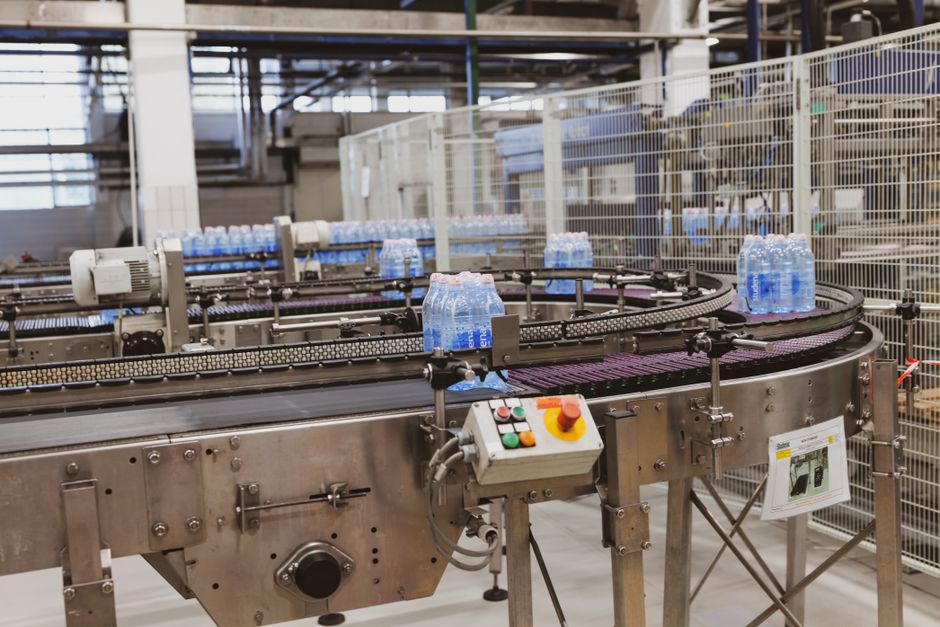
An unopened bottle left in a hot car is not automatically unsafe, but heat can increase migration of some PET bottle-related chemicals, and there is no source here that sets a safe number of hot-car days. An opened bottle is the bigger immediate concern: after drinking from it, bacteria can multiply rapidly in warm storage. For dependable drinking water, use a sealed, cool-stored bottle and replace a warm, opened one.
Is it safe to drink bottled water that was left in a hot car for several days?
A sealed bottle is the lower-risk choice, but a hot car is still the wrong storage plan. The U.S. Food and Drug Administration defines bottled water as water sealed in a bottle or other container and requires bottlers to sample and analyze it under sanitary manufacturing practices. That is the starting condition, not a promise that every storage condition after purchase is equally good.
Separate the two decisions. A bottle that stayed sealed has not been exposed to your mouth, hands, or a shared drinking surface. A bottle that was opened has. That distinction matters more than whether the label says spring, purified, or mineral water.
The supplied evidence does not establish a universal rule such as “discard every sealed bottle after a certain number of days in a car.” It does show why prolonged heat is a poor bet. If you need water you can rely on for travel, sport, or an emergency kit, take a sealed bottle from cool storage instead of treating a vehicle as a pantry.
| Situation | Main concern | Practical move |
|---|---|---|
| Unopened bottle left hot | Heat-related chemical migration | Move it to cool, dark storage; use a freshly stored sealed bottle when reliability matters. |
| Opened bottle left hot | Bacterial growth after drinking | Do not save it for later; replace it with a sealed bottle. |
| Reusable bottle left hot after use | The same post-use contamination problem | Empty it and clean it before refilling. |
This is the seal test: ask one question before you debate plastic. “Did anyone drink from it?” If yes, the contamination issue moves to the front of the line.
A PubMed-indexed study by Sean D. Raj tested bottled water after a person drank from the bottle once. At 37 degrees C, bacterial counts increased from less than 1 colony per mL to 38,000 colonies per mL over 48 hours. Refrigeration produced 50% fewer colonies at 24 hours and 84% fewer at 48 hours than warmer storage. Warmth changes the decision. It turns “save this for later” into “replace it.”
Does heat make chemicals or microplastics leach from a plastic water bottle?
Heat can increase migration of some chemicals from PET bottles, but the supplied research does not provide a blanket verdict that every hot bottle is dangerous or measure microplastics in this scenario. Do not turn a real finding into a bigger claim than the data supports.
In a Food Chemistry study by Bach and colleagues, researchers stored PET-bottled water at 40, 50, and 60 degrees C. Higher temperature and carbon dioxide increased the release of formaldehyde, acetaldehyde, and antimony. The same study did not detect phthalates or UV stabilizers in the tested extracts, and its in-vitro bioassays did not find cytotoxic, genotoxic, estrogenic, or anti-androgenic activity at relevant consumer exposure levels.
Another study of three commercial brands found that heating PET bottles to 50 degrees C raised antimony concentrations to 8.530 ppb after 24 hours and 16.8 ppb after 7 days in that experiment. The paper cites a World Health Organization guideline value of 6 ppb. Those are useful warning signals about prolonged high heat, not a measurement of every vehicle, bottle, weather condition, or storage duration.
Weak conclusion: “Hot plastic always poisons the water.” Accurate conclusion: “Heat can raise migration of certain PET-related compounds, so avoid long-term hot storage when you have a practical alternative.” The supplied sources do not measure microplastics from hot-car bottles, so public data in this brief does not answer how much, if any, microplastic exposure comes from that exact situation.
Is an unopened bottle safer than a bottle I already drank from?
Yes. An unopened bottle is safer from the immediate contamination risk because it has not been exposed to drinking. Once you drink directly from a bottle, your next decision should focus on time and temperature, not just the printed date.
The Raj study gives the operational rule: warm, opened water is not a carry-forward item. The study does not say that every opened warm bottle will make someone ill, and it does not provide an FDA discard time. It does show dramatic bacterial growth under warm conditions after one use. The cautious replacement behavior is straightforward: finish it while you are using it, refrigerate it if you intend to keep it, or discard the remaining water.
For a reusable bottle, use the same logic plus cleaning. Empty the water after a hot day, clean the bottle, and refill with fresh water. Reusing the bottle is fine only after you reset the hygiene problem; simply topping up old, warm water is not the reset.
For emergency supplies, do not rely on bottles that live in a car all season. Ready.gov advises buying commercially bottled water and keeping it in its sealed original container in a cool, dark place. It recommends at least 1 gallon per person per day for several days for drinking and sanitation, and notes that fluid needs can double in very hot temperatures. The FDA likewise recommends commercially bottled, store-bought water for emergency storage in a dry, dark place.
Run the simple drill this week: remove any opened bottles from the car, place the emergency supply in cool, dark storage, and pack one fresh sealed bottle before the next trip. That lowers the contamination concern first and avoids unnecessary prolonged heat second.
Frequently Asked Questions
Can bacteria grow in a water bottle left in a hot car?
Yes, bacteria can grow after a bottle has been opened and someone has drunk from it. In the Raj experiment, bacterial counts rose from less than 1 colony per mL to 38,000 colonies per mL after 48 hours at 37 degrees C. Refrigeration substantially reduced colonies compared with warmer storage, so the practical replacement is to finish an opened bottle promptly or keep it cold.
Should I throw away bottled water stored in my car during summer?
Throw away a warm bottle that has already been opened rather than saving it for later, because the evidence identifies post-drinking bacterial growth as the immediate issue. For sealed bottles, the supplied research shows that heat can increase chemical migration but does not provide a universal discard deadline for summer-car storage. Move sealed bottles to a cool, dark place and use fresh, properly stored water when you need reliable supplies.
How should I store emergency bottled water in a vehicle?
Do not make a hot vehicle your long-term emergency-water storage location. Ready.gov advises commercially bottled water in its sealed original container in a cool, dark place, while FDA advises store-bought water kept in a dry, dark place. Keep the main supply at home and take a sealed bottle with you when traveling; for broader outage planning, consider the practical trade-offs in Should I Choose a Home Battery, Portable Generator, or Standby Generator?.
Sources
Read next
How Many Bottles of Water Do I Need for 50 Guests?
Plan bottled water for 50 guests with practical case counts for indoor parties, alcohol service, and hot outdoor events.
Should I Order Boxed Lunches or a Buffet for 50 People?
Choose boxed lunches or a buffet for 50 people using service speed, dietary needs, cost comparisons, food safety, and food-waste controls.
Choose Outdoor Chairs That Match Your Climate and Storage Plan
Compare resin, aluminum, and powder-coated steel outdoor chairs by climate, storage needs, maintenance, and sale-shopping checks.